.
.
.

Reliable Supplier of Marine Hardware

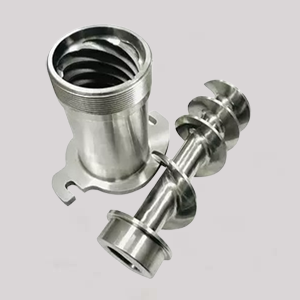
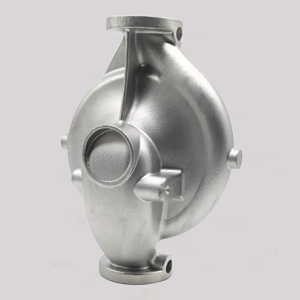
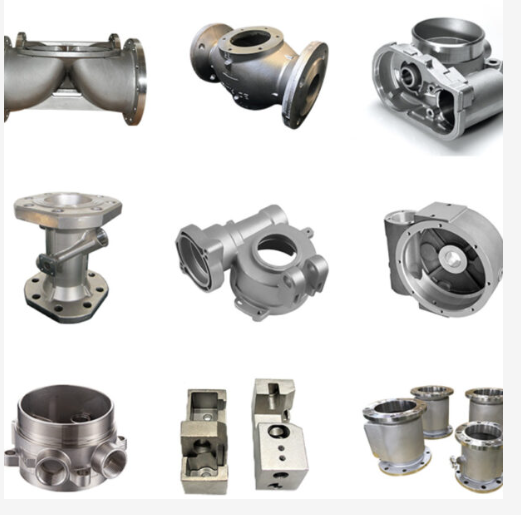
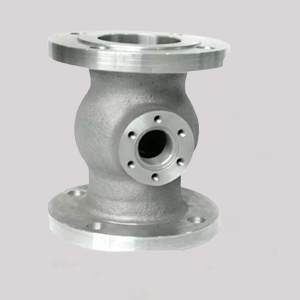
Marine hardware refers to the specialized equipment and components designed for use in maritime environments. These items, made from materials like stainless steel, aluminum, and bronze, are resistant to corrosion, saltwater, and harsh weather conditions. Common examples include anchors, cleats, hinges, handrails, and rigging fittings, all crucial for ensuring the safety and functionality of vessels.

Marine hardware is not only essential for boat construction and maintenance but also contributes to a vessel’s performance and longevity. These components must meet rigorous standards to endure the stresses of marine use, often requiring precision engineering. Innovations in design and material technology continue to enhance their durability and efficiency, catering to the diverse needs of commercial and recreational boating enthusiasts.
Company News and Blogs

AISI 12L14 Carbon Steel: Properties, Applications, Benefits, and Limitations

What is 12L14 Carbon Steel?   12L14 carbon steel is a free-machining steel commonly used in applications that require high-speed production and superior machinability. It owes these qualities to a small amount of lead added to its composition, which helps reduce friction during cutting and extends tool life. Consequently, 12L14 is a preferred choice for […]

AISI 1060 Carbon Steel: Properties, Equivalents, Applications, Benefits, and Limitations

What is 1060 Carbon Steel?   1060 carbon steel is a medium-high carbon steel containing about 0.60% carbon, known for its balance of hardness, strength, and moderate wear resistance. This composition allows it to be heat treated to relatively high hardness levels, making 1060 steel suitable for applications like blades, springs, and other components subjected […]

11L14 Carbon Steel: Properties, Applications, Benefits, and Limitations

What is 11L14 Carbon Steel? 11L14 carbon steel is a free-machining grade that features the addition of lead, improving its machinability and making it ideal for high-volume production runs. The lead content helps reduce friction during cutting, which translates to lower tool wear, faster machining speeds, and superior surface finishes. For this reason, 11L14 is […]

AISI 1045 Carbon Steel: Properties, Equivalents, Applications, Benefits, and Limitations

What is 1045 Carbon Steel?   1045 carbon steel is a medium-carbon steel containing approximately 0.45% carbon and balanced amounts of manganese. This composition grants it a favorable combination of strength, hardness, and machinability, making it popular across a wide range of industrial and mechanical applications. When heat-treated, 1045 can achieve higher hardness levels for improved wear […]

AISI 1035 Carbon Steel: Properties, Equivalents, Applications, Benefits, and Limitations

What is 1035 Carbon Steel?   1035 carbon steel is a medium-carbon alloy containing approximately 0.35% carbon, along with balanced levels of manganese. This composition enables it to offer moderate strength, good toughness, and fair machinability, making it a reliable choice for a range of applications under light to medium loads. Common uses include shafts, […]

AISI 1030 Carbon Steel: Properties, Equivalents, Applications, Benefits, and Limitations

What is 1030 Carbon Steel?   1030 carbon steel is a medium-carbon alloy containing roughly 0.30% carbon, along with moderate levels of manganese. Its composition provides a reasonable balance of strength and ductility, making it suitable for light to medium-duty applications. Common uses include shafts, forgings, and various machine components where cost-effectiveness and adequate mechanical […]

Product Process of Hengke Metal

1

Precision Casting for Durable Marine Hardware

Precision casting ensures marine hardware’s strength and corrosion resistance. Using wax patterns, metal molds, and high-temperature pouring, components achieve accurate shapes and excellent durability.

2

Forging Boat Anchors for Superior Strength

Boat anchors are forged from high-grade steel. The process involves heating, shaping, and tempering, creating anchors with exceptional holding power for various marine conditions.

3

Molding and Assembling Reliable Life Jackets

Life jackets are made using foam molding and durable fabrics. Buoyancy materials, precise stitching, and secure fastening systems ensure safety for marine emergencies and recreation.

4

Injection Molding Boat Seat Components Efficiently

Boat seats are crafted using injection molding. High-quality plastics and foams are shaped into ergonomic designs, combining comfort, durability, and weather resistance for marine use.

5

Heat Treatment for High-Performance Marine Hardware

Marine hardware undergoes heat treatment to enhance its toughness. This includes processes like annealing and quenching, ensuring resistance to wear, stress, and harsh environments.

6

Surface Polishing for Shiny Boat Anchors

Polishing anchors removes imperfections and enhances corrosion resistance. Using grinding and buffing techniques, a smooth, reflective surface protects against harsh marine conditions.

7

Foam Cutting Techniques for Life Jackets

Life jacket foam is precisely cut using advanced machinery. This ensures uniform buoyancy and comfort, meeting safety standards while accommodating diverse body types and uses.

8

Durable Upholstery for Long-Lasting Boat Seats

Boat seats are upholstered with marine-grade fabrics. The process includes precise cutting, stitching, and attachment, providing weather-resistant comfort suitable for all marine conditions.

9

Anti-Corrosion Coating for Marine Hardware

Marine hardware is coated with anti-corrosion layers through galvanizing or painting. This protective step prolongs product life against saltwater and harsh weather exposure.

10

Anchor Shank Welding for Structural Integrity

Anchor shanks are welded to provide robust connections. Expert welding ensures consistent quality, giving anchors the strength required to secure vessels in challenging environments.

11

Testing and Certification of Life Jackets

Life jackets undergo buoyancy tests, durability checks, and certifications. These steps ensure compliance with maritime safety standards, guaranteeing reliable protection for users.

12

Final Assembly and Packaging of Boat Seats

Boat seats are assembled with ergonomic designs and packaged securely. Each step ensures product safety, quality, and easy installation for marine applications.

Why Hengke Metal Marine Hardware?

  • One Stop Marine Hardware Solutions
  • 20+ Years Experiences
  • 12+ Designers to Help Your Business
  • Direct China Marine Hardware Manufacturer
  • 24/7 After-Sales Service Commitment