Investment Castings Guide 101

Hengke Casting — Custom Precision Castings

Investment Castings Guide 101 from Hengke Casting

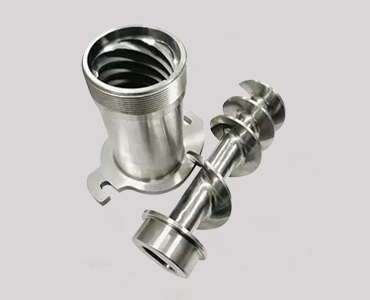
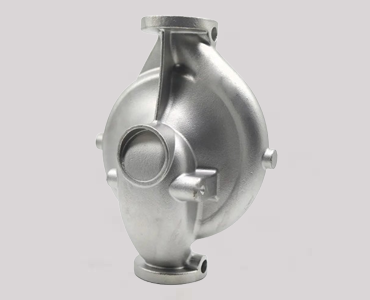
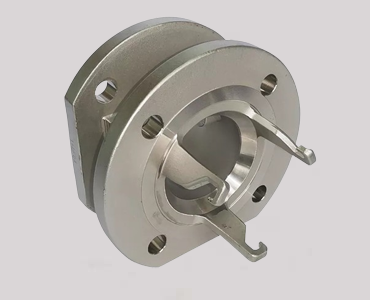
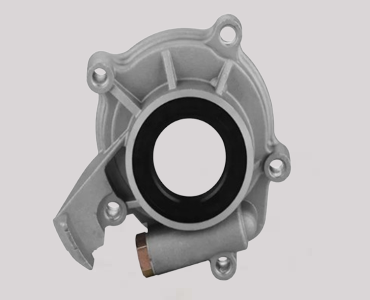
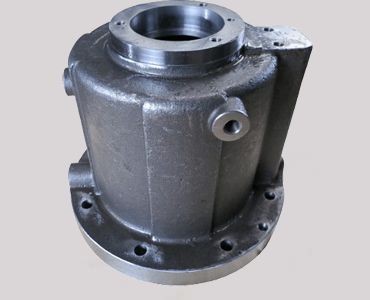
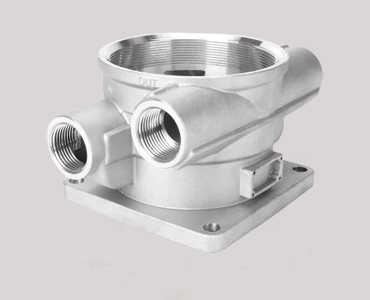
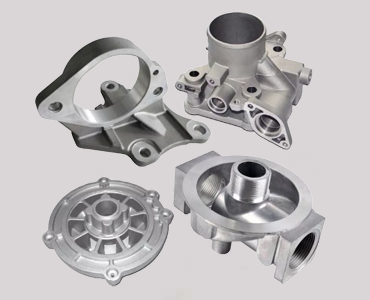
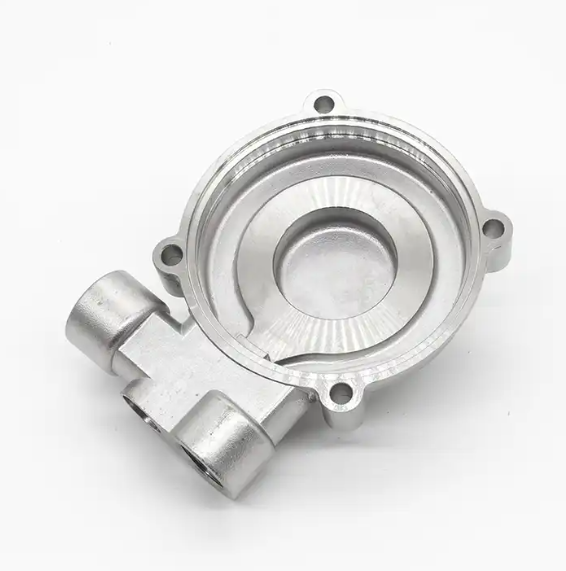
Investment Castings Guide 101 from Hengke Casting explains how a drawing becomes a precision metal component. Explore the lost wax casting process, compare stainless steel and carbon steel options, and understand where pump, valve, machinery, automotive and marine castings fit. This guide helps buyers connect material selection, casting geometry and finishing requirements before requesting a quotation.

Start with the operating conditions, required alloy, dimensions and expected order quantity. Then review tooling, machining allowances, surface finish and inspection needs with Hengke Casting. Clear specifications make it easier to compare proposals and move from first samples to repeat orders. Browse the product examples below to build a practical investment casting specification.
Hengke Casting
Your Investment Casting Partner

Precision Castings for Your Application

Why Work with Hengke Casting

Plan your order with Hengke Casting:

  • Read a casting drawing before comparing quotations.
  • Compare alloy grades against the operating environment.
  • Define machining, surface finish and inspection needs.
  • Plan sampling and repeat orders with Hengke Casting.

Be an Expert When Importing Marine Hardware

Check Our Latest News and Articles.

Investment Casting Tolerances: Turning Fit Requirements into Drawing Notes

Investment casting tolerances should describe the variation a component can accept, not the smallest number a drawing system allows. A blanket precision note may look reassuring, yet it can obscure the dimensions that actually control assembly. The more useful approach starts with function and assigns manufacturing requirements accordingly.

Lost Wax Casting and Investment Casting: Do the Names Mean the Same Thing?

A drawing may call for investment casting while a supplier describes its service as lost wax casting. In most industrial discussions, those names refer to the same underlying route: an expendable pattern is surrounded by refractory material and removed to create a cavity for metal. The terminology alone does not indicate two competing manufacturing processes.

Investment Casting Design Guidelines for Parts That Still Need to Be Made

Good investment casting design balances the final function with the way the metal must fill and solidify. A model can be geometrically valid yet difficult to cast, clean or inspect. Reviewing those manufacturing questions early helps preserve the features that matter while avoiding unnecessary restrictions elsewhere.

Investment Casting Process: How a Drawing Becomes a Finished Component

The investment casting process starts before wax reaches a die. The drawing must explain what the component does, which surfaces locate it in an assembly and what condition the customer expects at delivery. Those decisions influence pattern design, machining stock and inspection, so a successful order connects engineering review to every later operation.

Investment Casting vs Sand Casting: Choosing for the Finished Part

Two foundries can quote the same drawing through different casting routes and arrive at very different prices. Investment casting vs sand casting is therefore a comparison of finished-part requirements, not simply the purchase price of a rough casting. A small valve component with several inaccessible features presents a different decision from a large housing whose working faces will be machined anyway.

Stay Updated with Hengke Casting Casting News

Customer Experiences with
Hengke Casting

John T.

E-commerce Business Owner

“Hengke Casting’s marine hardware exceeded my expectations. The precision craftsmanship and corrosion resistance are unmatched. Perfect for withstanding harsh marine environments. Highly recommend!”

Sarah L.

Retail Store Manager

“I’ve been sourcing marine hardware from Hengke Casting for years. Their products combine outstanding performance with competitive pricing. A trusted partner for all my projects.”

David R.

Supply Chain Manager

“Hengke Casting not only delivers superior marine hardware but also provides exceptional customer service. Quick responses and timely deliveries keep my operations running smoothly.”

Lisa M.

Product Development Lead

“The boat anchors I ordered from Hengke Casting are well-designed and sturdy. Their attention to detail ensures a perfect fit and long-lasting performance.”

Investment Castings Guide 101: Questions & Answers

What does Hengke Casting focus on?

Investment Castings Guide 101 from Hengke Casting explains how a drawing becomes a precision metal component. Explore the lost wax casting process, compare stainless steel and carbon steel options, and understand where pump, valve, machinery, automotive and marine castings fit. This guide helps buyers connect material selection, casting geometry and finishing requirements before requesting a quotation.

What information should I send for a quotation?

Send the latest drawing revision, alloy specification, quantity, critical dimensions, finish and delivery destination. These details help Hengke Casting define the scope of your casting enquiry.

How should I choose an investment casting alloy?

Compare the required grades against corrosion exposure, temperature, strength and machining needs. Follow the engineering drawing and application requirements when selecting a material.

How should castings be inspected?

Agree dimensional checks, material documentation and any non-destructive testing requirements before production. Identify critical features and define measurable acceptance criteria in the order.

Which certifications or approvals are required?

Requirements depend on the component and its intended use. Confirm the current certification scope and any project-specific approvals with Hengke Casting before placing your order.

What affects the delivery schedule?

Tooling, sample approval, quantities, machining, inspection and freight all affect timing. Agree a schedule after the technical requirements and delivery terms have been reviewed.

Can I request custom cast components?

Share your drawing, alloy and quantity with Hengke Casting. Custom geometry, machining and finishing requirements should be reviewed before the tooling scope and price are finalized.

How can I compare investment casting quotations?

Compare the same drawing, material, quantity, finish and inspection scope. Separate one-time tooling, unit pricing, packaging and freight so the proposals can be evaluated consistently.

Why review the design before making tooling?

Wall sections, transitions, holes and machining allowances affect the casting route. Early review helps identify features that require discussion before tooling and sampling.

What should sample approval cover?

Review the sample against the agreed drawing, material requirements, surface finish and inspection plan. Record any changes and confirm the drawing revision before repeat production.

How do I prepare a repeat order?

Keep the approved drawing, alloy specification, sample records and packaging requirements together. Confirm quantity, revision and delivery expectations with Hengke Casting for every new order.

Explore Hengke Casting Manufacturing